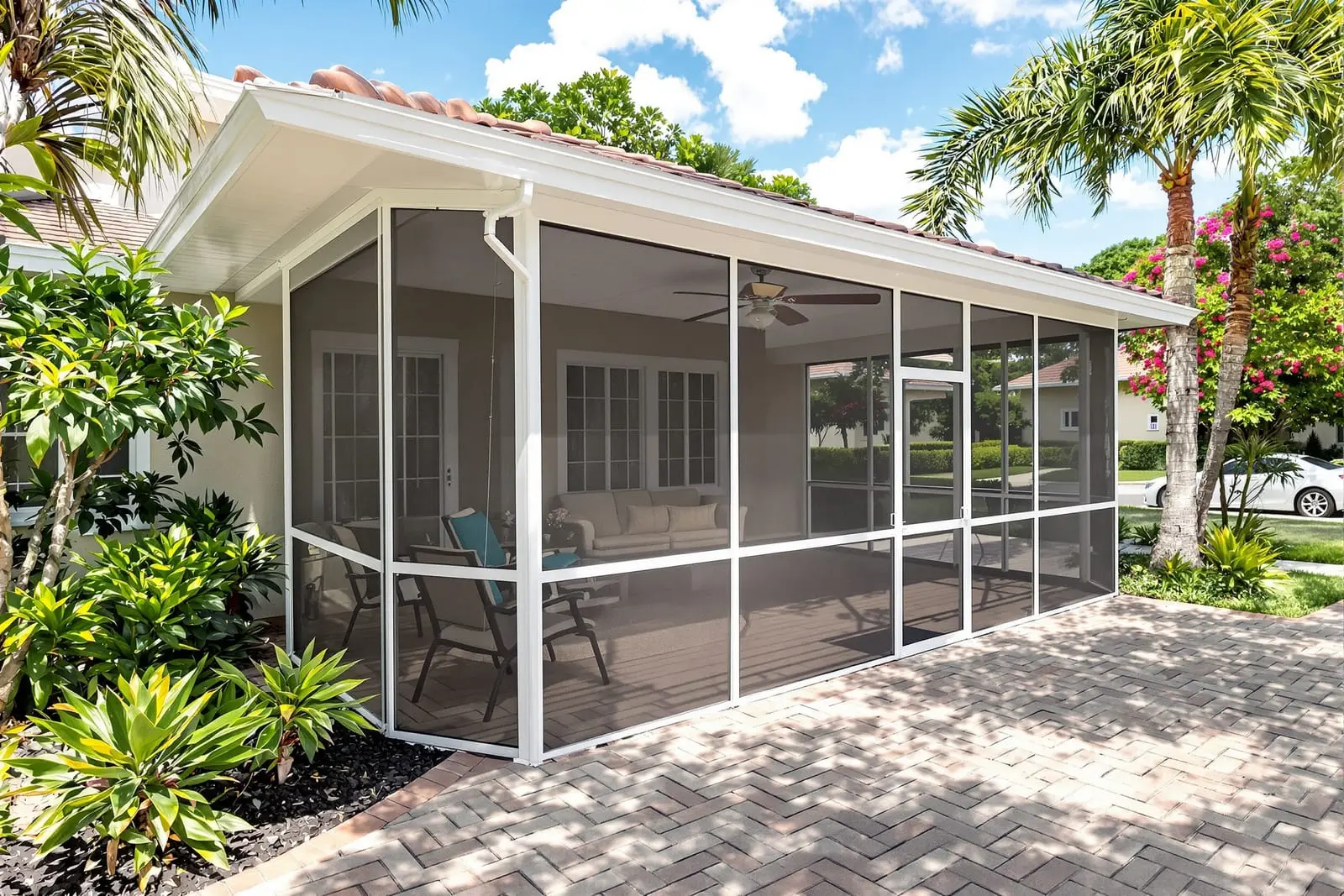
Vista Screens Wesley Chapel provides lanai screen repair in Wesley Chapel, FL for patios, porches, and outdoor rooms.
Vista Screens Wesley Chapel provides lanai screen repair in Wesley Chapel, FL for patios, porches, and outdoor rooms. We replace torn mesh, repair damaged doors, and fix loose panels so your lanai looks neat and functions properly again. Our technicians work efficiently and match screens to your existing enclosure. Bring your outdoor living space back to life with professional lanai and patio screen repair.
Vista Screens Wesley Chapel provides professional lanai screen repair throughout Wesley Chapel, FL and the surrounding area. Our licensed, insured crew delivers safe, clean, on-time work with a free estimate before anything begins. Call (813) 820-6538 or request your free quote.

At Vista Screens Wesley Chapel, patio and lanai screen repair is not an add‑on service, it is a focused part of what we do every week in this area. Our crews work on everything from small tear patches in a single lanai panel to full rescreening of large pool enclosures behind Country Walk, Seven Oaks, Meadow Pointe, and newer subdivisions along SR‑54 and SR‑56.
We pay attention to how you actually use your patio or lanai. If your dog scratches the bottom panels near the door, we recommend pet‑resistant mesh in that section only so you do not pay for it on the entire enclosure. If golf balls from nearby courses or kids playing in the yard are an issue, we suggest stronger 18/14 or even 17/20 mesh along the exposed sides. The goal is to match material and repair scope to your specific lanai instead of treating every screen room the same.
Wesley Chapel’s heat, afternoon thunderstorms, and occasional tropical systems are tough on screens. UV light dries out older fiberglass mesh, and high winds work loose panels that were not installed with enough tension or with the right spline size. When we inspect a damaged patio or lanai, we do not just replace the obvious torn panel. We look at frame condition, fasteners, and door hardware so we can tell you honestly whether a simple repair will hold up or if a broader rescreen or reinforcement will save you money over the next few years.
Most repairs start with a site visit. A Vista Screens Wesley Chapel technician walks the entire enclosure with you, points out each issue, and notes whether it is a quick panel swap, a door repair, or a more involved structural concern. We measure each opening to the nearest eighth of an inch and check the existing spline size so the new screen fits tight and does not flap or pull out when the first summer storm rolls through.
After measurements, we review mesh options and costs on the spot. For small jobs like one or two panels, we usually cut and install the replacement screen in the same visit. For larger patios and lanais, especially two‑story or high cage enclosures, we schedule a return date so we can bring the right ladders, staging, and materials. You get a written estimate that spells out material type, number of panels, any door or hardware work, and whether we are reusing existing spline or replacing it.
On repair day, we start by removing the damaged mesh and old spline carefully so we do not bend the aluminum frame. If the frame channel is clogged with dirt, insect parts, or old paint, we clean it out. This step is important because a dirty channel prevents the spline from gripping properly. We then roll in the new screen using a spline roller, set even tension corner to corner, and trim the excess mesh with a sharp blade so the edges look clean. For doors, we adjust hinges, replace worn handles or latches if needed, and check that the door closes without rubbing.
Before we leave, we walk the job with you again. We push gently on the repaired panels to show you the tension, confirm doors latch smoothly, and clean up screen scraps and spline pieces from the deck or pavers so you are not left with a mess.
Living in Wesley Chapel means your patio and lanai screens deal with specific issues that are different from what you see in cooler, drier climates. Sun damage is one of the biggest problems. Many older enclosures still have standard fiberglass mesh that has been baking in the Florida sun for 10 to 15 years. It gets chalky and brittle, then starts splitting along the spline line or at the mid‑rails. In those cases, patching a single tear is usually a short‑term fix, and we will tell you if a full rescreen is more sensible.
Afternoon storms and tropical wind events create another set of problems. We often find panels that have pulled out on one edge because they were originally installed with the wrong spline size or with uneven tension. Instead of only pushing the spline back in, we remove that panel, clean the channel, and re‑screen it with proper tension so it is less likely to fail again when the next storm comes through.
Pets can also be hard on lanais. Cats climb the screen, small dogs paw at the bottom, and larger dogs push into door panels. For these situations, Vista Screens Wesley Chapel often installs heavier pet‑resistant mesh along the lower 24 to 36 inches or in specific panels near doors, while leaving the rest of the enclosure in standard mesh to control cost. We can also add kick plates or aluminum base panels where it makes sense.
We also repair issues caused by sprinkler overspray and mildew. Constant moisture against the same panels can stain the mesh and corrode metal fasteners. If we see rusted screws or brackets on the frame while we repair screens, we recommend replacing them with stainless steel or coated hardware, especially on lower rails and corners that stay damp after rain.
Choosing the right screen mesh and layout has a big impact on how long your repair will last and how comfortable your patio or lanai feels. Vista Screens Wesley Chapel stocks several mesh types that perform well in our climate. Standard 18/14 fiberglass mesh is the most common and cost‑effective choice, good for general insect control and everyday use. For customers who want more durability, we offer tighter weave meshes like 20/20 that keep out smaller insects and provide a bit more privacy, and polyester or PVC‑coated meshes that handle UV exposure and pet traffic better than basic fiberglass.
If you have a view of conservation areas, ponds, or golf fairways, we can use “view” or “panorama” screen on specific wall sections. This material has thinner threads and a more open pattern, so it looks less visible when you are sitting inside the lanai. We typically place it on the wall that faces your best view, while using standard mesh elsewhere to keep costs down.
For ground‑level patios that get a lot of wind, we sometimes suggest breaking large wall spans into more, narrower panels. Smaller openings reduce the pressure on each panel during storms and can prevent bowing and popping. On the other hand, if your existing frame was built for wide “picture window” openings, we match the original layout but pay extra attention to tension and spline size so the screen stays tight.
Color choice matters too. Most Wesley Chapel homes use charcoal (dark gray) mesh, which gives better outward visibility than white mesh and hides dirt better. We match the screen color to your existing frame and to HOA guidelines in neighborhoods that have strict visual standards.
Customers often want to know why one neighbor’s repair is inexpensive while another needs a bigger investment. The main cost drivers are the number and size of panels, the height of the enclosure, the mesh type you choose, and how easy it is to access the damaged areas. Ground‑level panels that we can reach with a small ladder are faster and cheaper to repair than two‑story cage panels that require tall ladders or staging.
Material choice also matters. Standard fiberglass mesh is the most economical. Pet‑resistant or heavy‑duty mesh costs more per panel, but can be cheaper over time if you have active pets or kids and are tired of repeated repairs. Upgrading only the high‑wear areas, such as door panels and lower walls, is a practical way to balance durability and budget.
The condition of your existing frame can add or reduce labor time. If the aluminum is straight, the spline channels are clean, and the original installer used compatible materials, our crew can move quickly. If the frame is twisted, the channels are packed with old paint or caulk, or there is corrosion at the corners, we may need extra prep time or minor hardware replacement so the new screens hold properly. We explain these issues before work begins so you are not surprised by the final price.
Vista Screens Wesley Chapel provides clear, written estimates before we start, with line items for screen type, panel count, and any door or hardware work. That way, you can see exactly what you are paying for and decide where you want to spend more for upgraded materials or keep things basic.
Weather and timing matter in Wesley Chapel. We work year‑round, but late winter and early spring are often the best times to schedule larger patio and lanai screen repairs, because humidity is lower and we can usually get to you before the heavy summer storm pattern sets in. That said, if a storm or accident leaves you with open panels during the rainy season, we prioritize those repairs so you can keep bugs and debris out of your outdoor living area.
Knowing when a simple repair is enough and when a full rescreen makes more sense can save you money. If your enclosure is under 8 to 10 years old and damage is limited to a few panels, targeted repair is usually the right choice. If most panels look faded, brittle, or have small splits starting at the edges, a full rescreen may cost more up front but prevents a series of small repairs that add up over the next couple of summers.
Once your screens are repaired or replaced, basic maintenance helps them last longer. Rinsing the lanai with a garden hose a few times a year removes pollen and dust that can stain the mesh. Avoid pressure washers directly against the panels, since high pressure can stretch or rip the screen or force water into frame joints. Trim shrubs and trees back from the enclosure so branches are not rubbing and animals are less tempted to climb the screen.
If you are unsure what your enclosure needs, Vista Screens Wesley Chapel can inspect it, explain the condition in plain language, and give you repair and rescreen options rather than pushing one solution. Our goal is a patio or lanai that holds up to Wesley Chapel’s sun, storms, and daily use so you can actually enjoy the space without worrying about the screens.
Professional patio and lanai screen repair, done right the first time, quality materials, honest pricing, and results that last.Vista Screens Wesley Chapel